
Filter
Reset

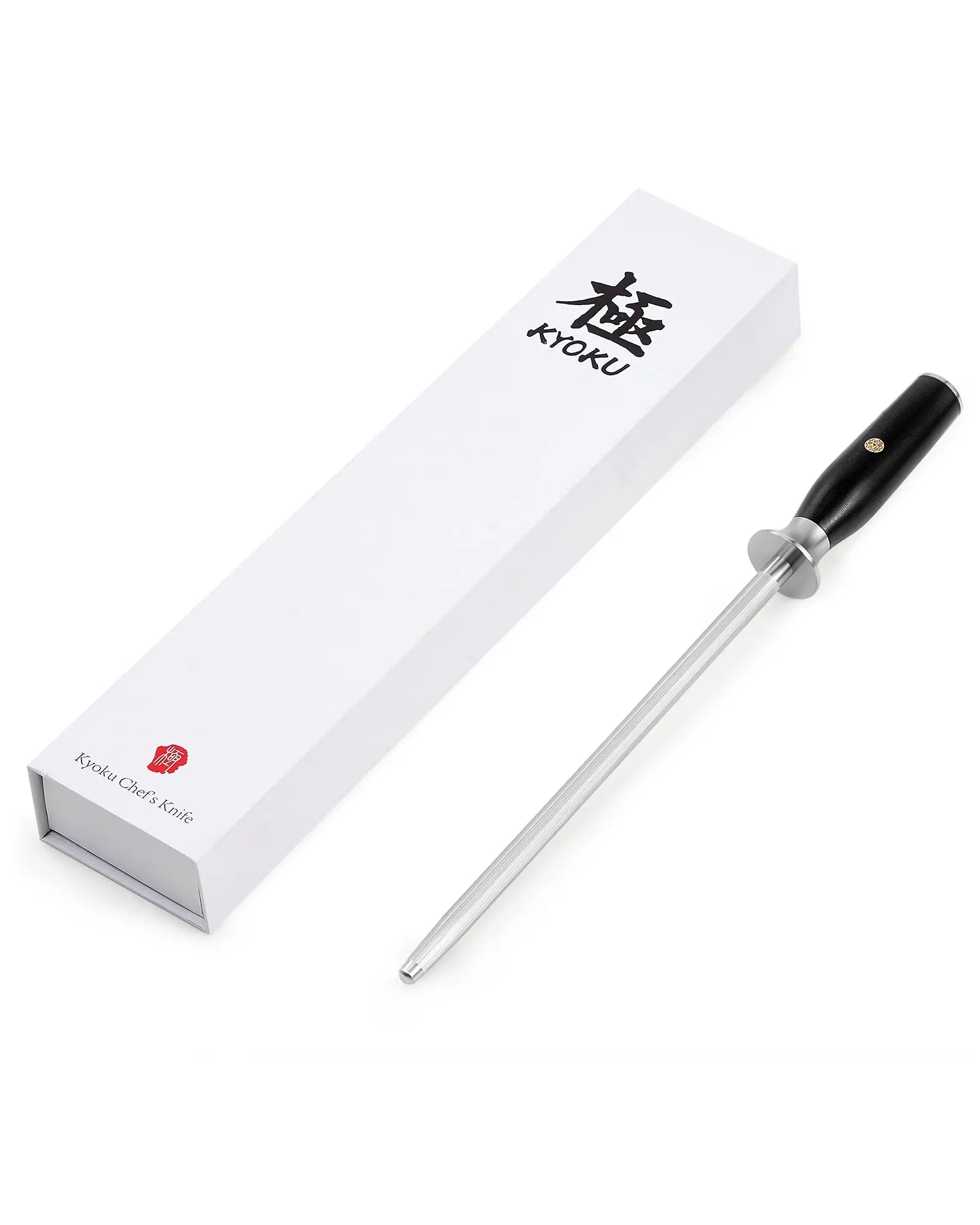
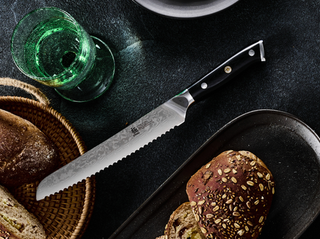
Our Japanese bread knives use ultra-premium VG10 and 67-layer Damascus steel for durability. The design makes slicing easy and perfect for bread and citrus fruits. The herringbone pattern on the tang shows off the craftsmanship and identity. Its serrated blade cuts through crusts easily while keeping the inside soft.
The Japanese Bread knives are also great for cutting pastries and cakes without ruining their shape. They can slice crusty foods like baguettes, melons, and tomatoes.
What knives do you need?
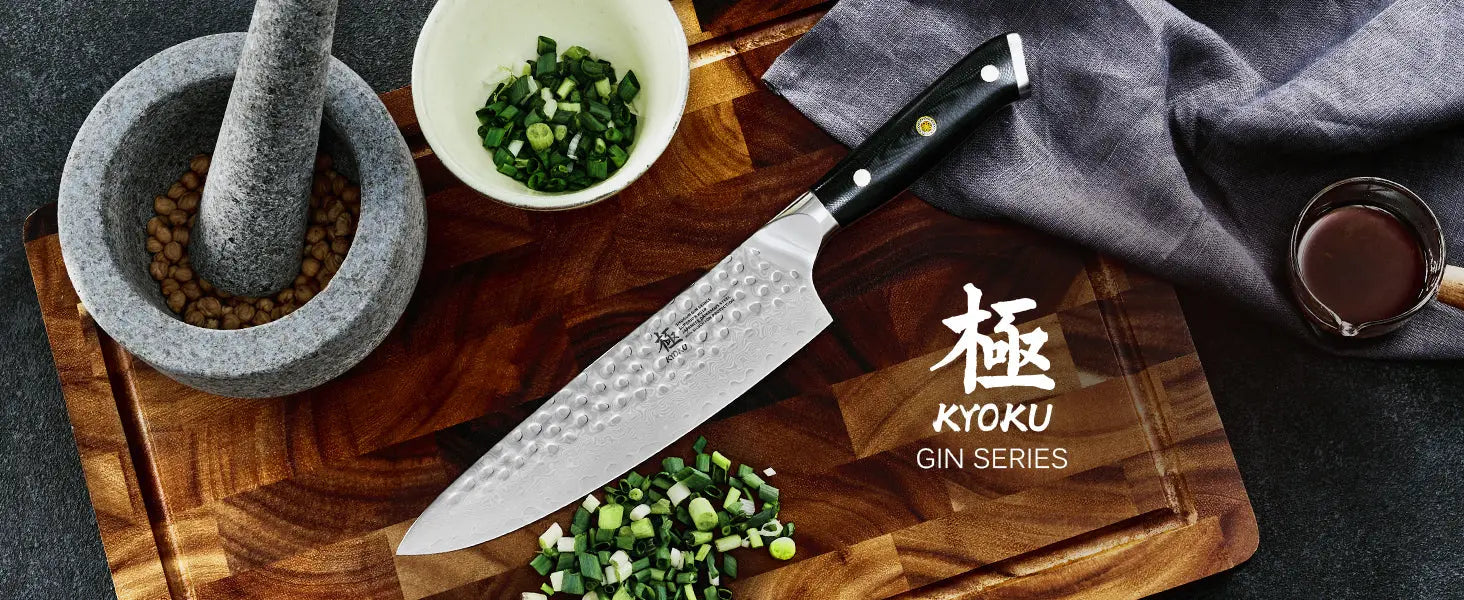
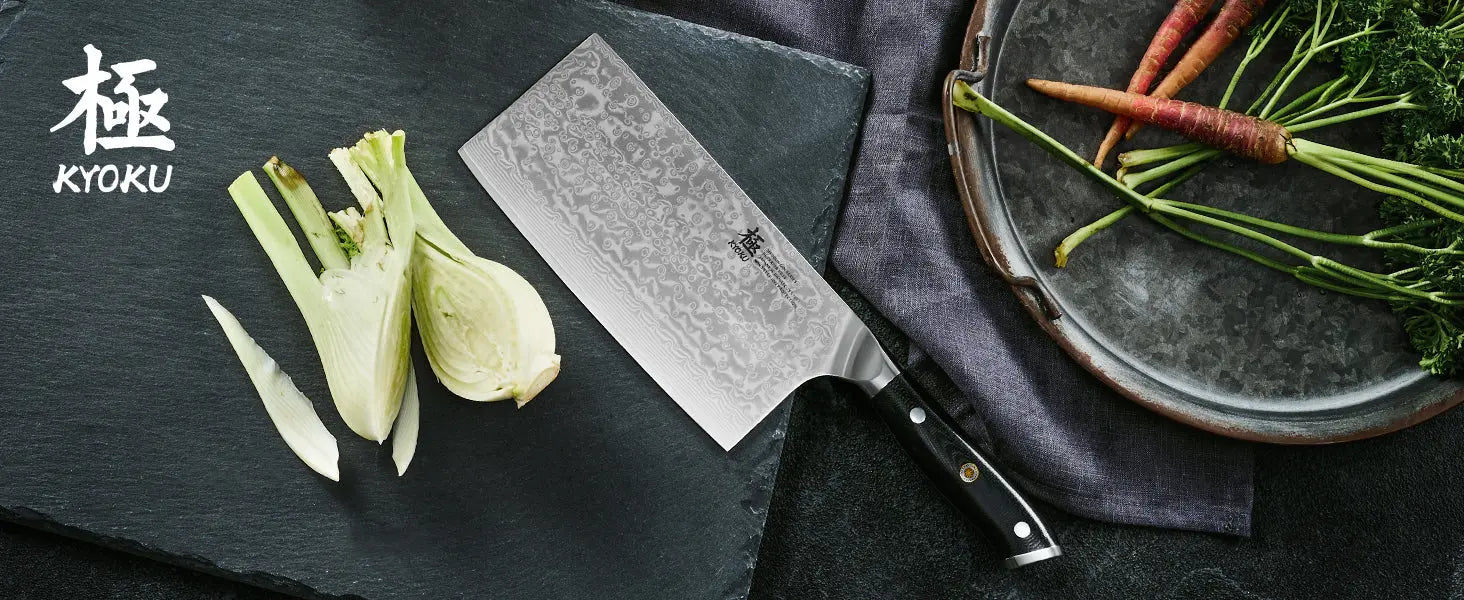
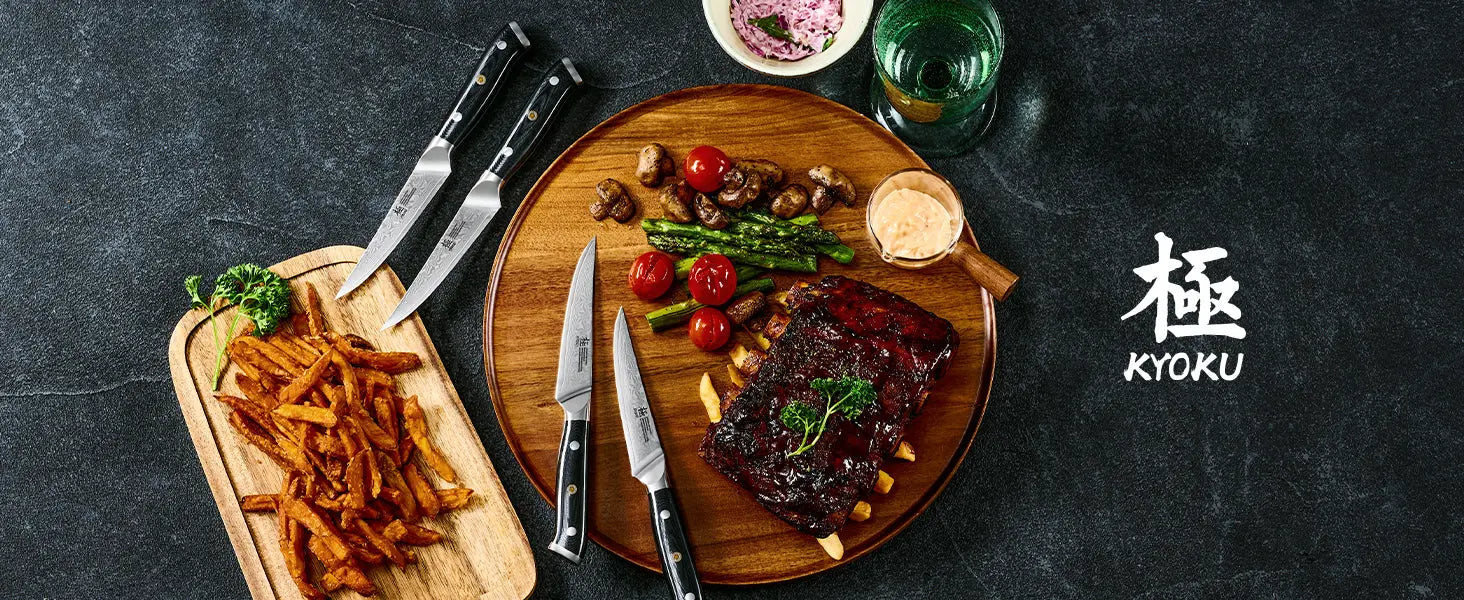
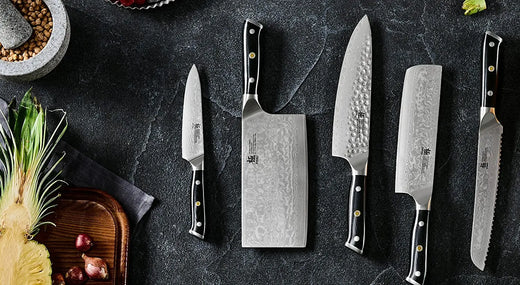
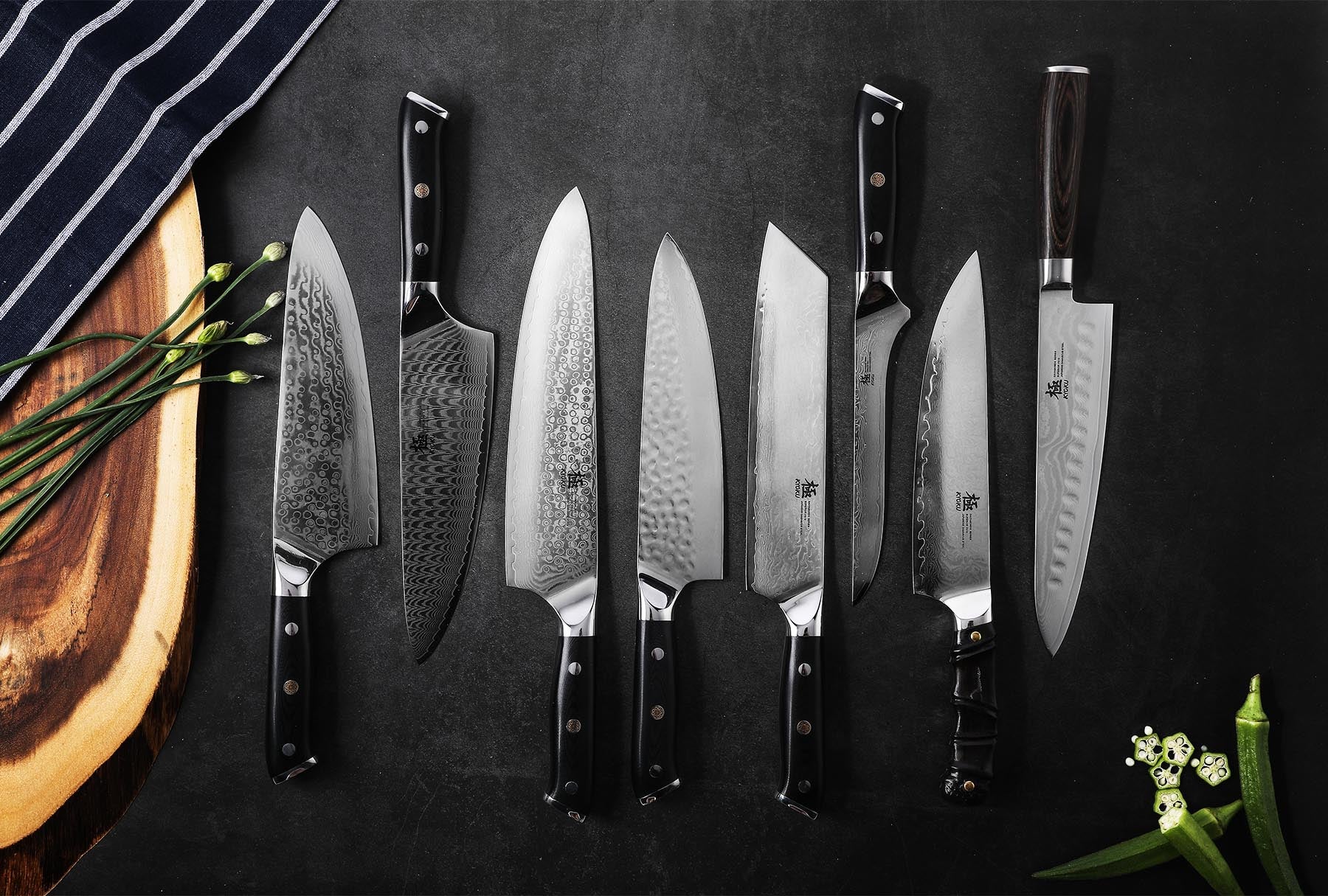
HOW TO CHOOSE THE RIGHT JAPANESE KNIFE FOR YOUR NEEDS
In this guide, we'll provide a comprehensive guide on how to choose the right Japanese knife for your needs, considering factors such as type of knife, blade material, blade shape, handle material, price, and brand reputation.
Blog posts
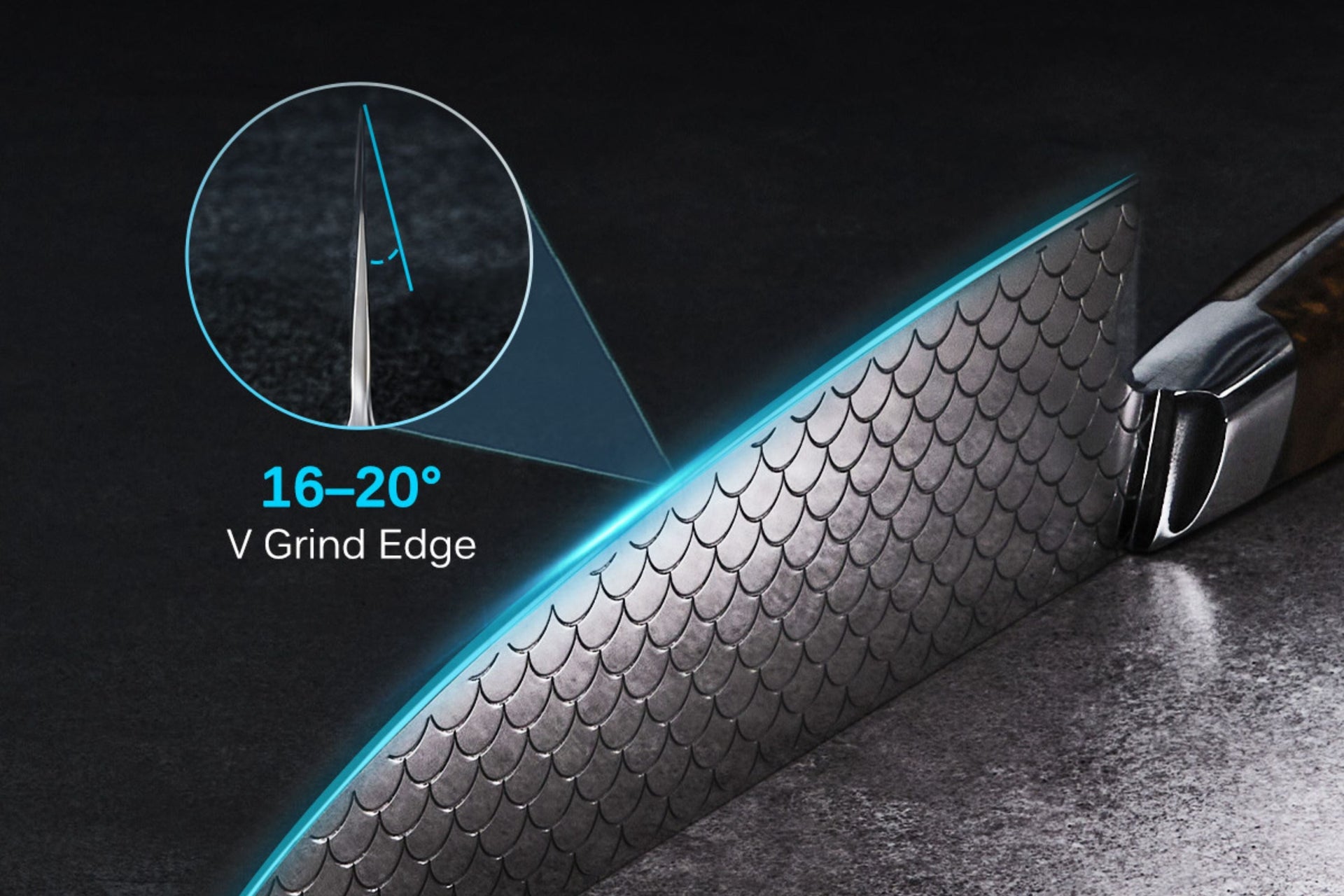
15 vs 20 Degree Knife Edge: Which Angle Is Right for You?
Compare 15° and 20° knife edges to understand the difference in sharpness, durability, and edge retention, plus a step-by-step guide to sharpening Japanese knives.
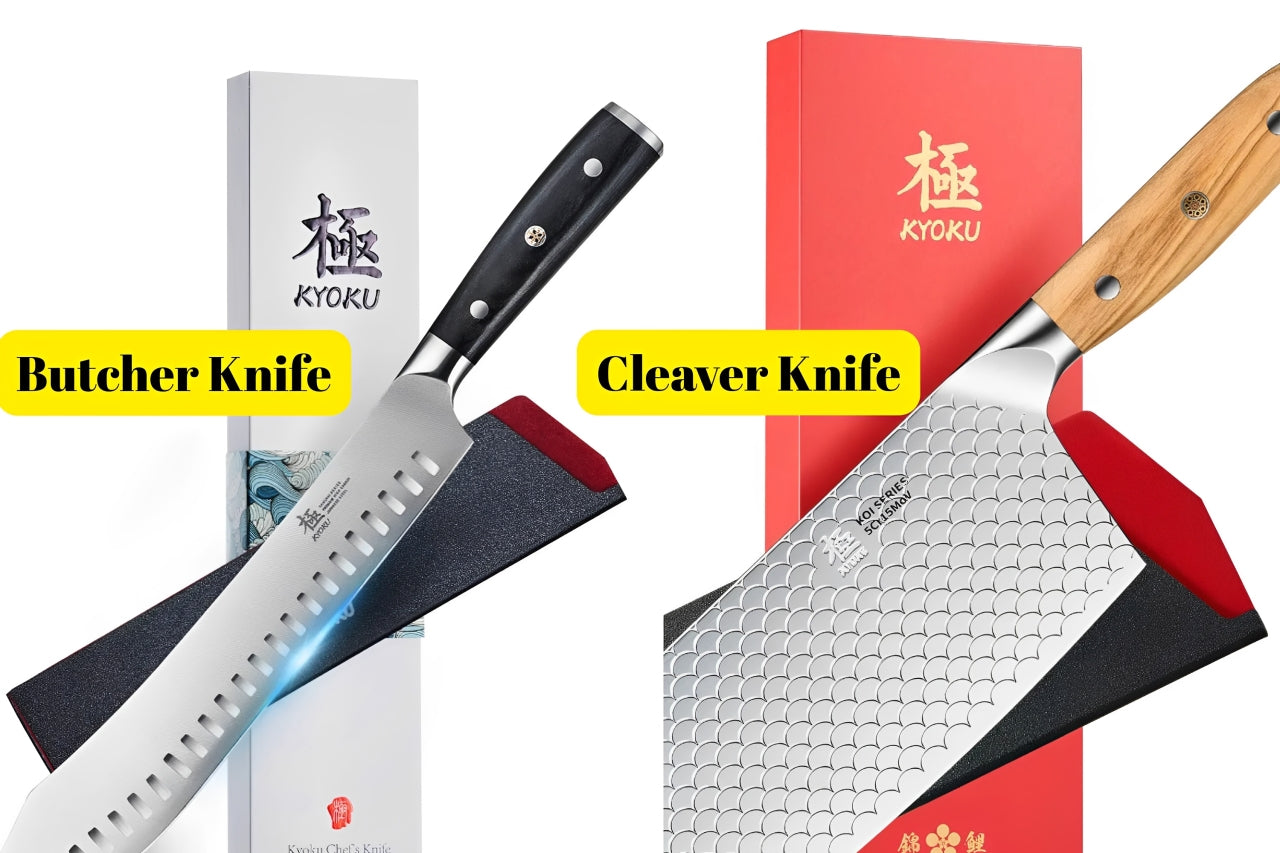
Cleaver Knife vs Butcher Knife: What's the Difference?
This blog explains the key differences between cleaver knives and butcher knives. Cleaver knives are built for bone. Butcher knives are built for boneless meat. Learn how these two knives differ in weight, edge angle, blade shape, and best uses, and when you need both.
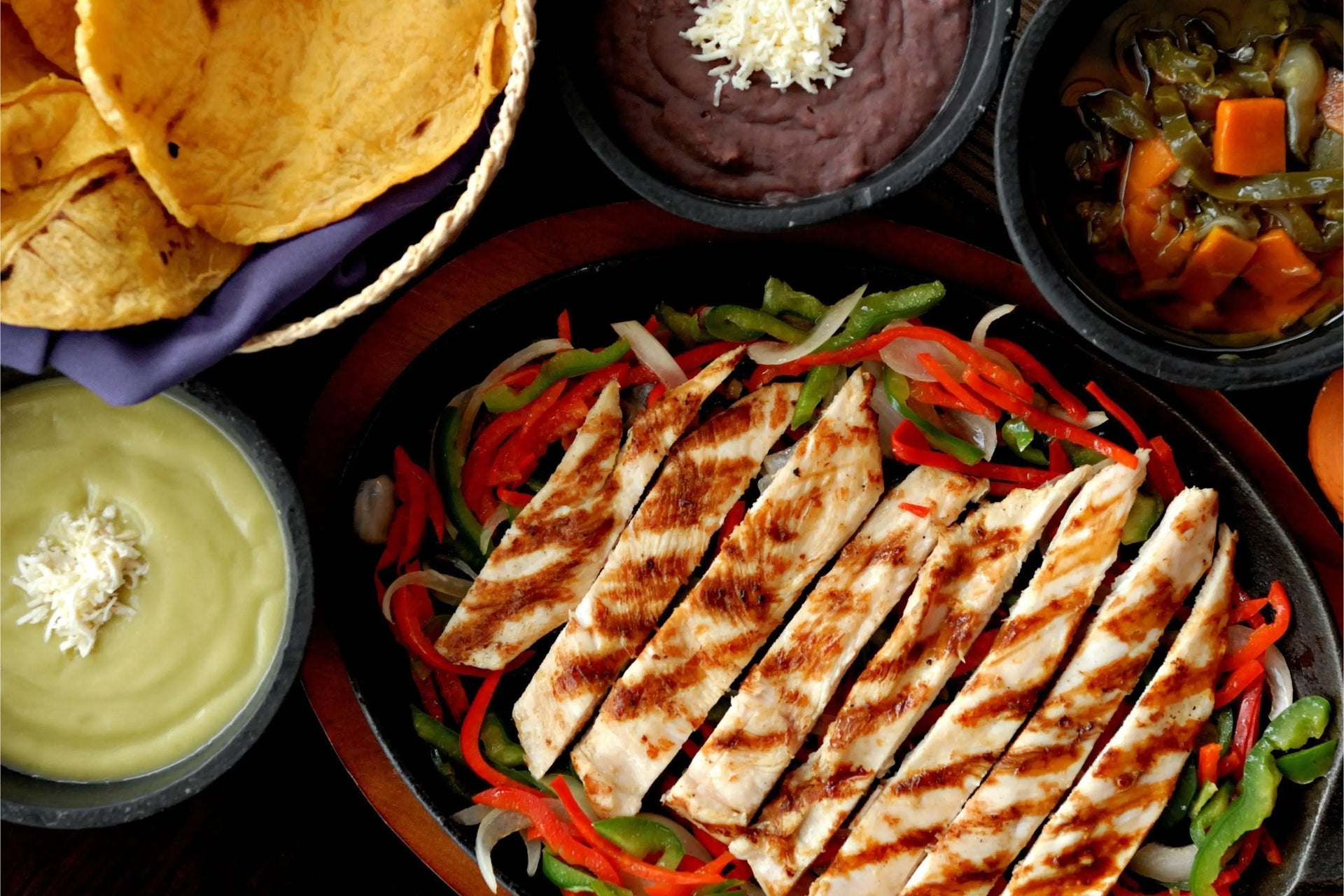
How to Cut Flank Steak for Fajitas
Learn how to cut flank steak for fajitas the right way. Discover step-by-step slicing techniques, why cutting against the grain matters, the best knives to use, and tips for tender, restaurant-quality fajita strips.
Kyoku Spirits
Inspired by tradition, but not bound by it.
