


Shogun Chef Knife + Nakiri Knife Set | VG10 Steel with Damascus
Descriptions
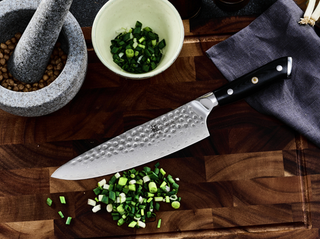
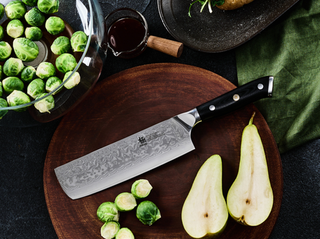
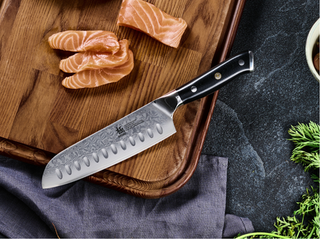
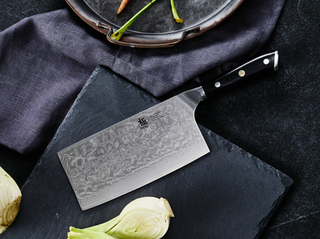
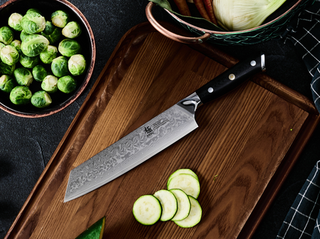
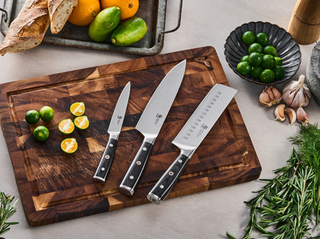
Bring precision and versatility to your kitchen with our Shogun knife bundle. This set includes both our expertly crafted Shogun 7" Nakiri knife and Shogun 8" Chef's knife, providing an exceptional cutting experience.
Experience their unrivaled performance by purchasing our 2-knife Shogun bundle today. You'll love their precision-cutting capabilities and elegant, handcrafted details. These functional works of art will help streamline meal preparation and elevate your cooking.
Specifications
8" CHEF KNIFE
Material: VG-10 Stainless Steel, G-10 Fiberglass
Rockwell Hardness: 58-60
Blade Dimensions: 8.1 x 2 in. (20.6 x 5 cm)
Edge Angle: 8–12°
Overall Length: 13.2 in. (33.5 cm)
Net Weight: 23 oz. (650 g)
Warranty: Lifetime
8" chef knife
knife Sheath
kyokuknives case
7" NAKIRI KNIFE
Material: VG-10 Stainless Steel, G-10 Fiberglass
Rockwell Hardness: 58-60
Blade Dimensions: 7 x 1.9 in. (17.8 x 4.8 cm)
Edge Angle: 8–12°
Overall Length: 12.2 in. (31 cm)
Net Weight: 22.9 oz. (600 g)
Warranty: Lifetime
Included
7" nakiri knife
knife Sheath
kyokuknives case
FREQUENTLY ASKED QUESTIONS
What is a chef's knife?
A chef's knife is your kitchen's multi-tool, designed to tackle a variety of tasks like slicing, dicing, and chopping. Its pointed tip and curved edge make it perfect for precise cuts and effortless rocking motions.
How do I choose the right chef's knife?
Consider the blade length, material, and handle comfort. An 8-inch stainless steel knife is a great starting point. Think about the types of food you usually prepare and how the knife feels in your hand.
What makes Damascus steel chef's knives special?
Damascus steel knives stand out for their exceptional sharpness, durability, and beautiful patterned design. Made from layers of steel, they hold their edge well and are favored by many professionals and cooking enthusiasts.
Can I use a chef's knife for both meat and vegetables?
Absolutely! That's the beauty of a chef's knife. It's versatile enough to handle both meat and vegetables, making it a true kitchen essential.
How should I care for my chef's knife?
Treat your knife with care! Hand wash it with mild soap, dry it immediately, and store it in a knife block or on a magnetic strip. Sharpen it regularly to keep it in top shape and avoid using it on hard surfaces.
What's the difference between a chef's knife and a Santoku knife?
Both are versatile, but a chef's knife has a curved blade for rocking motions, while a Santoku knife has a straighter edge and thinner blade for precise slicing. Choose the one that suits your cutting style best.
Why do professionals love carbon steel chef's knives?
Carbon steel knives are incredibly sharp and easy to sharpen, making them a favorite among chefs. Just remember they need a little extra care to prevent rust.
Explore Our Collection


KYOKU SPIRITS
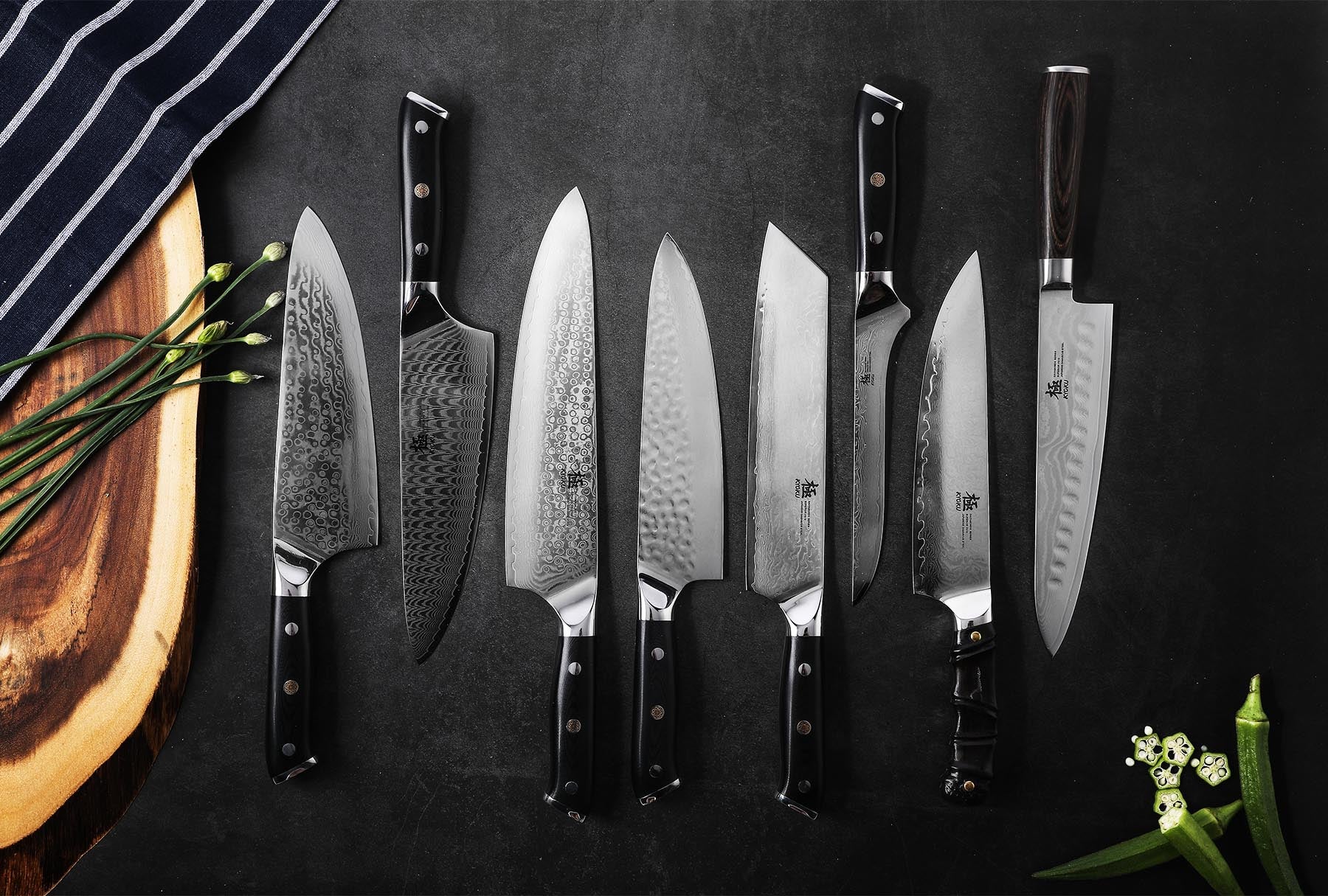
Kyoku draws from the samurai's legacy, creating affordable high-end Japanese cutlery for chefs and home cooks worldwide with a passion for culinary creativity.
Blog posts
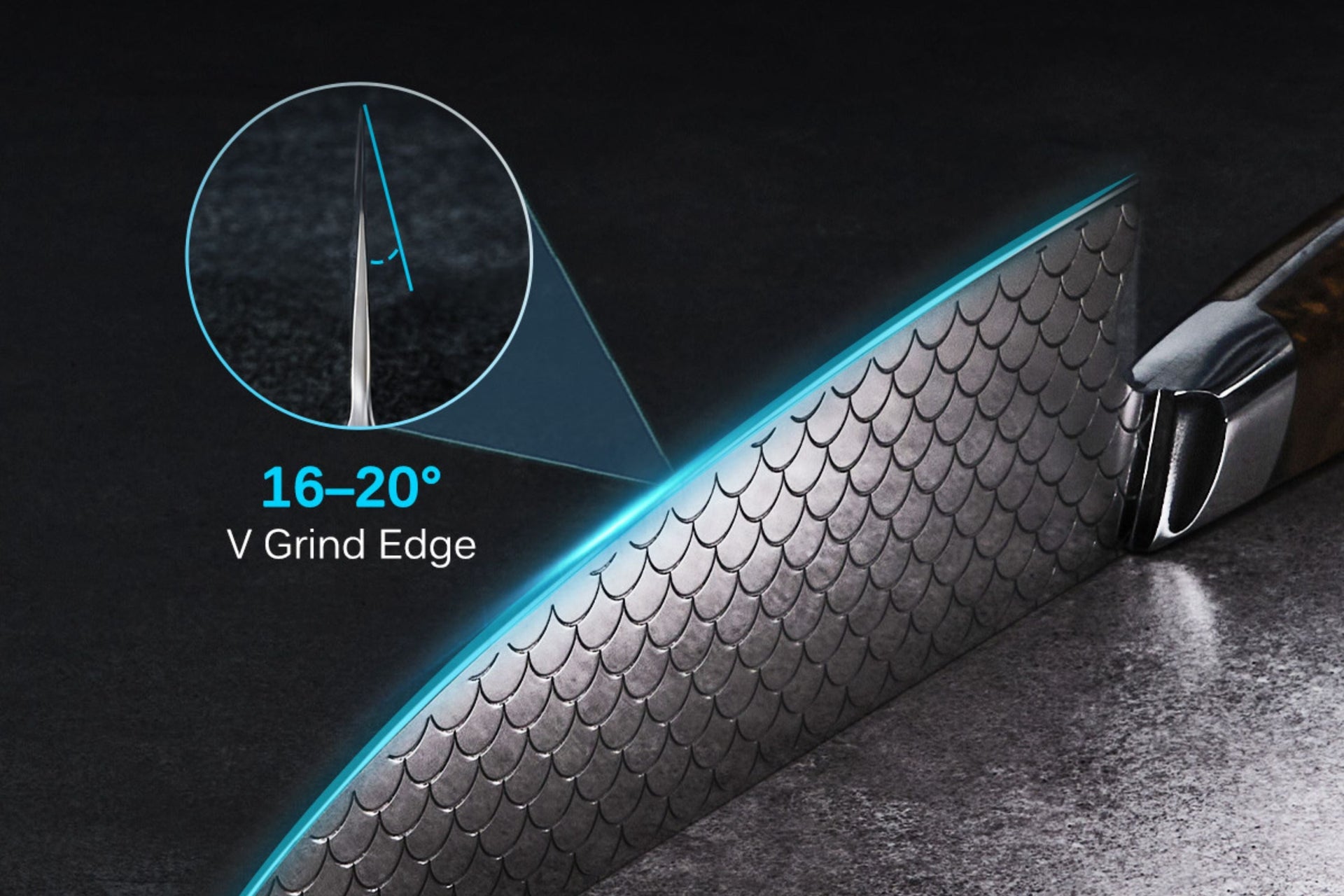
15 vs 20 Degree Knife Edge: Which Angle Is Right for You?
Compare 15° and 20° knife edges to understand the difference in sharpness, durability, and edge retention, plus a step-by-step guide to sharpening Japanese knives.
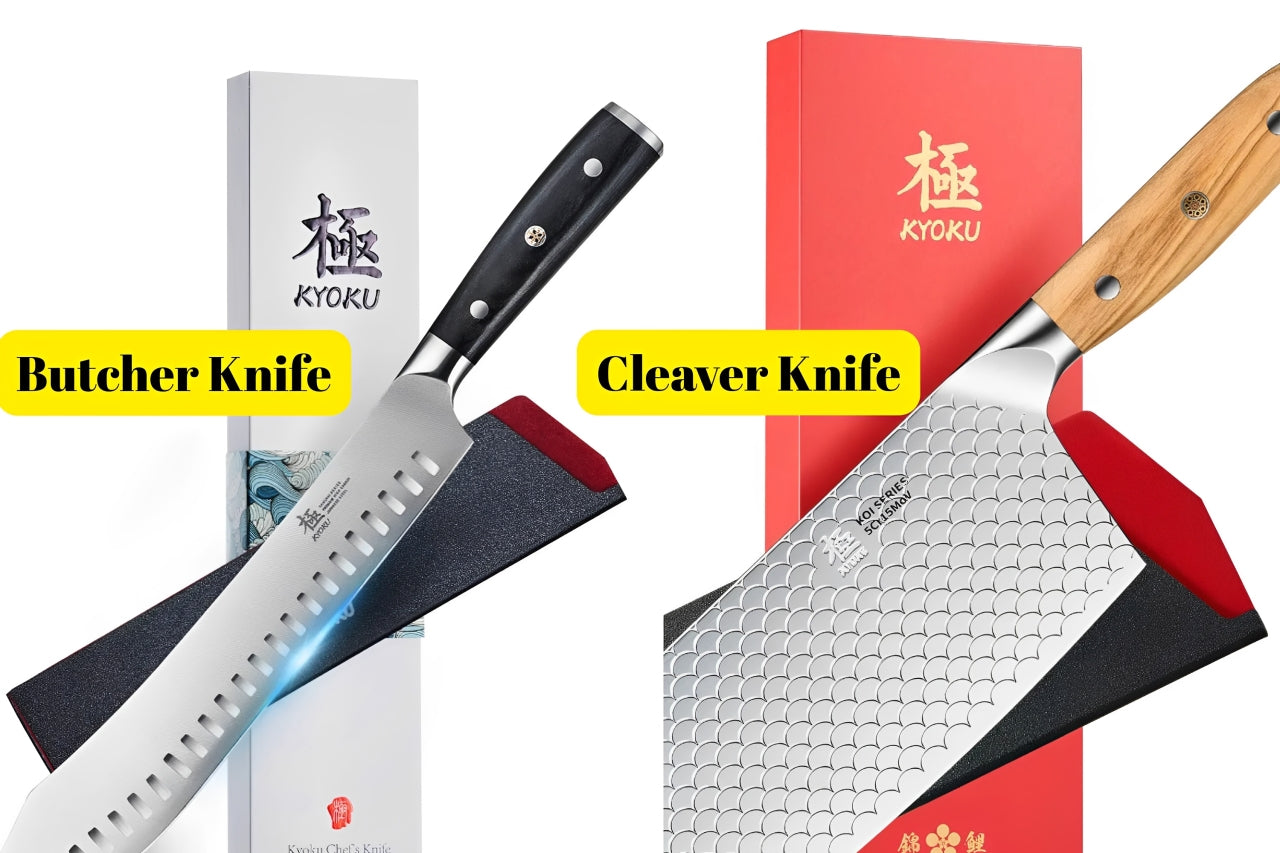
Cleaver Knife vs Butcher Knife: What's the Difference?
This blog explains the key differences between cleaver knives and butcher knives. Cleaver knives are built for bone. Butcher knives are built for boneless meat. Learn how these two knives differ in weight, edge angle, blade shape, and best uses, and when you need both.
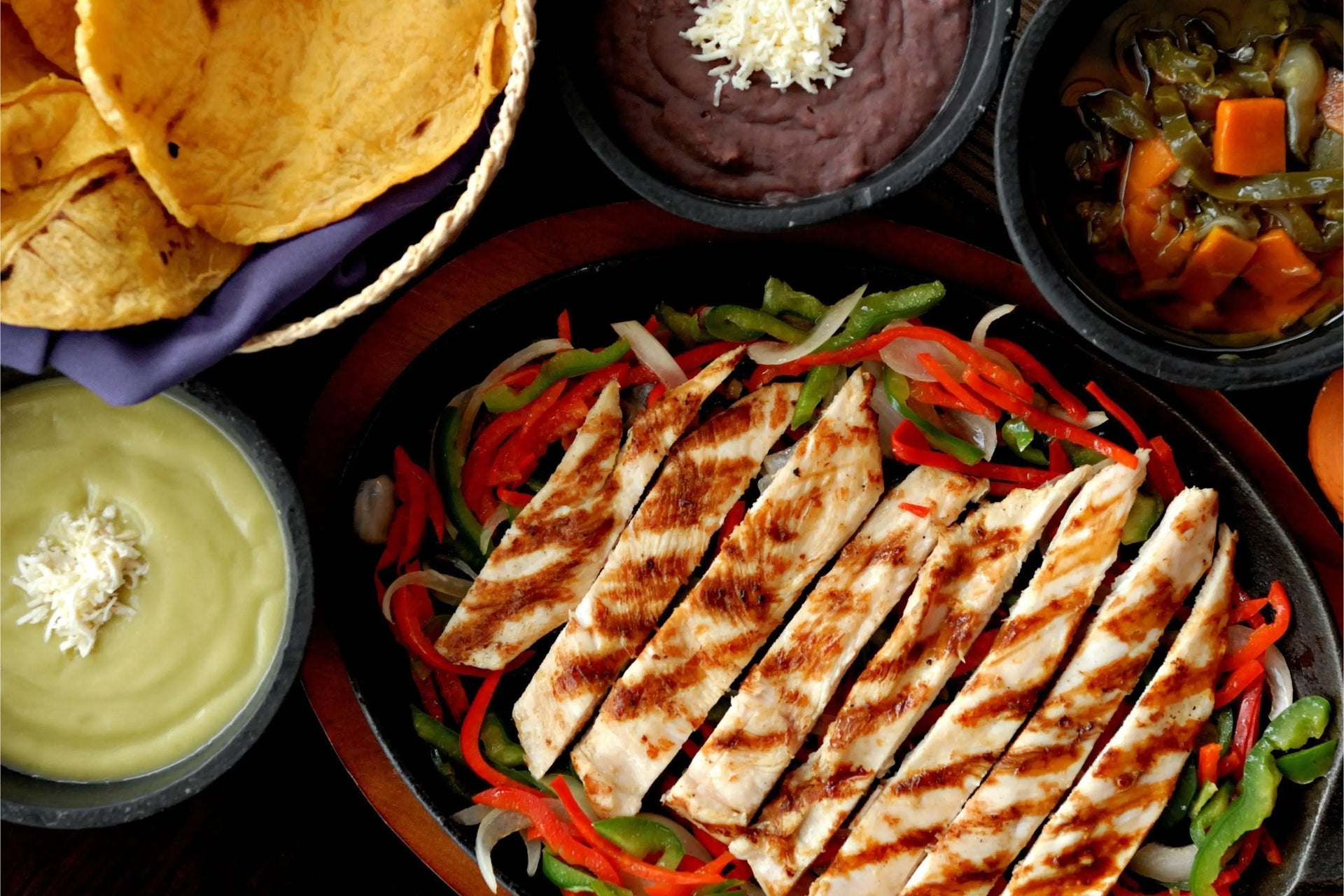
How to Cut Flank Steak for Fajitas
Learn how to cut flank steak for fajitas the right way. Discover step-by-step slicing techniques, why cutting against the grain matters, the best knives to use, and tips for tender, restaurant-quality fajita strips.
